
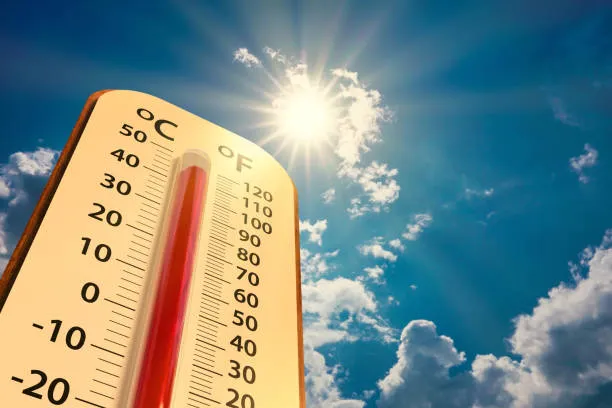
Temperatures are expected to rise above 30 degrees Celsius this week, with the Humidex exceeding 40 degrees Celsius. There is also a risk of showers.
Emergency and public safety | June 29, 2026
 Based on Environment and Climate Change Canada data and Peel Region’s Medical Officer of Health, an orange heat warning has been issued for Peel Region, including Mississauga. Temperatures are expected to rise above 30 degrees Celsius and the extreme heat will continue throughout the week.
As defined by Ontario’s Ministry of Health, heat warnings are issued when there are two or more consecutive days of:
- daytime maximum temperatures of 31 degrees Celsius or higher and overnight temperatures of 20 degrees Celsius or higher or Humidex values of 40 degrees Celsius or higher.
Extended heat warnings are issued when heat warnings last for three or more days.
The City of Mississauga is reminding residents to take precautions, stay hydrated, check on loved ones and neighbours and use public spaces to cool down when needed. The City also offers several places to stay cool, including local indoor swimming pools, air-conditioned libraries, spray pads and community centres.
Checking in on family, friends and neighbours helps reduce health risks, ease pressure on emergency services and keep communities safe during extreme heat events.
Canada Day event at Celebration Square
At this time, there are no changes planned for the Canada Day programming at Celebration Square.
The City is monitoring weather conditions closely and has measures in place to support attendee comfort and safety, including access to indoor cooling spaces.
We encourage all visitors to come prepared for the heat by wearing lightweight clothing, applying sunscreen, bringing a hat, staying hydrated and taking breaks from the sun as needed. Attendees are also encouraged to make use of the available shaded areas and cooling spaces throughout the day. The City will continue to monitor forecasts leading up to and during the event and will communicate any significant updates if required.
Extreme heat
Extreme heat is one of the leading weather-related health risks in Canada. It can affect your health quickly, especially if you are older, live alone, have a medical condition or do not have access to air conditioning. It can also worsen existing medical conditions and in severe cases, be life-threatening.
How to stay cool
During periods of extreme heat, small actions can make a big difference. Reduce your exposure to heat and watch for signs of heat-related illness.
- Limit outdoor activities during the hottest part of the day, from 10 a.m. to 4 p.m. Schedule strenuous activities for the early morning or evening when possible.
- Stay in the shade and limit direct sun exposure.
- Wear sunscreen, a hat, sunglasses and light-coloured, loose-fitting clothing.
- Take cooling breaks in air-conditioned spaces or shaded areas.
- Drink plenty of fluids throughout the day. Take small, frequent sips to stay hydrated.
- Eat lighter meals and choose foods with high water content.
- Use sprinklers or wading pools to cool down.
- Visit a City pool or spray pad. Pools offer extended hours during heat events. Spray pads are open from 9 a.m. to 11 p.m.
- Take a lukewarm shower or place cool water on your skin.
- Check in on loved ones, neighbours and friends, especially those who live alone.
Keep your home cooler
If your home gets too warm, these steps can help make it more comfortable:
- Close windows during the hottest part of the day to keep warm air out.
- Keep blinds or curtains closed during the day and open windows at night.
- If you do not have window coverings, hang a light-coloured sheet or towel to help block sunlight and reduce indoor heat.
- Sleep on a lower level of your home if possible, since hot air rises.
- Use fans wisely and cool only the rooms you need. Ceiling fans should rotate counter-clockwise in the summer to push cool air down.
- Turn off electronics when not in use, as they give off heat.
- Soak your feet in cool water for a few minutes.
- Cook during cooler parts of the day or prepare meals outdoors to avoid heating your home.
Protect your pets
- Walk pets in shaded areas during cooler times of day.
- Keep walks short and avoid hot pavement, which can burn paws.
- Never leave pets in a parked car, even for a short time.
- Provide plenty of fresh water and watch for signs of heat stress.
- Avoid extended periods outside or high levels of outdoor activity during extreme heat.
Plan ahead during heat events
Stay up to date with local weather reports so you can prepare for heat waves. Information about heat-related illness is available on the Peel Public Health website.
- Follow local weather reports and heat warnings.
- Monitor alerts from Environment and Climate Change Canada.
- Keep your home emergency preparedness kit up to date.
- Make sure you have enough medication on hand, as some conditions can worsen in higher temperatures.
- Know the symptoms of heat exhaustion and heat stroke and seek medical attention if symptoms do not improve.
- Check your vehicle’s tires, fluid levels, battery and air conditioning during hot weather.
- Never leave children or pets in your vehicle during high temperatures.
- Consider long-term home cooling options, such as thermal windows, added insulation, external shading and planting trees for natural shade.
Stay cool, stay safe!